
Reawakening Collective Voice of Sri Lanka’s Microfinance Sector
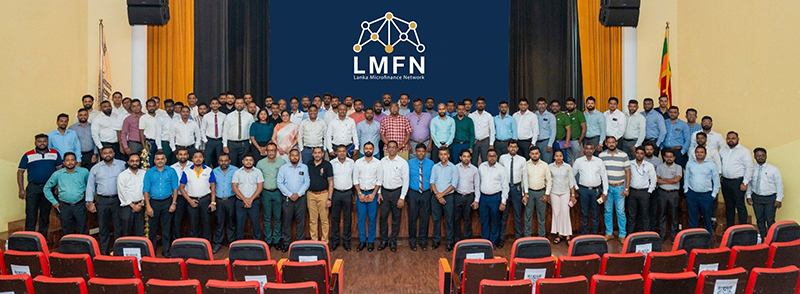
Lanka Microfinance Network (LMFN), Sri Lanka’s dedicated national platform for the microfinance sector, formally inaugurated its governance structure on 15 May 2026 — at a landmark Meeting attended by over 100 participants representing the Microfinance Sector, practitioners and stakeholders from across the island.
The event marked a defining milestone for the sector, with the Network electing its inaugural Board of Management and appointing its first set of office bearers, setting in motion a structured and democratically governed body to champion the interests of microfinance in Sri Lanka.
A National Voice for Microfinance
LMFN was established to serve as a unified national platform for microfinance companies, NGOs, rural and community-based societies, and sector support organizations across Sri Lanka.
The Network’s Constitution, formally adopted at today’s meeting, sets out eleven core objectives — from influencing government policy and building sector capacity, to promoting ethical standards, facilitating credit information sharing, and fostering international collaboration. LMFN is structured as a non-profit entity, with all income applied solely towards its organizational objectives.
09 Council Members Elected — Representing All Institution Types and Regions
The meeting elected a comprehensive 09-member Board of Management comprising five office bearers and four board members representing diverse types of microfinance institutions, in addition to nine provincial representatives ensuring full geographic coverage of Sri Lanka’s provinces.
The five Office Bearers elected are: Mr. Danushka Udugama as Chairman; Mr. Imran Nafeer as Secretary; Mr. Sameera Gunathilake as Deputy Chairman; Mr. Godrpy Janakarathna as Deputy Secretary; and Ms. Pushpa Wijethunga as Treasurer.
Four Board Members were also elected, representing a cross-section of the microfinance industry: Mr. Darshana Wijesinghe; Mr. Rajitha Udagedara; Mr. Nimal Marasinghe; and Mr. Rangana Dihan.
Nine Provincial Representatives were also elected, ensuring grassroots representation from all regions of the island. This structure reflects the Network’s commitment to inclusive, democratic governance and ensures that member institutions across every corner of Sri Lanka have a direct voice in the management of the organization.
